
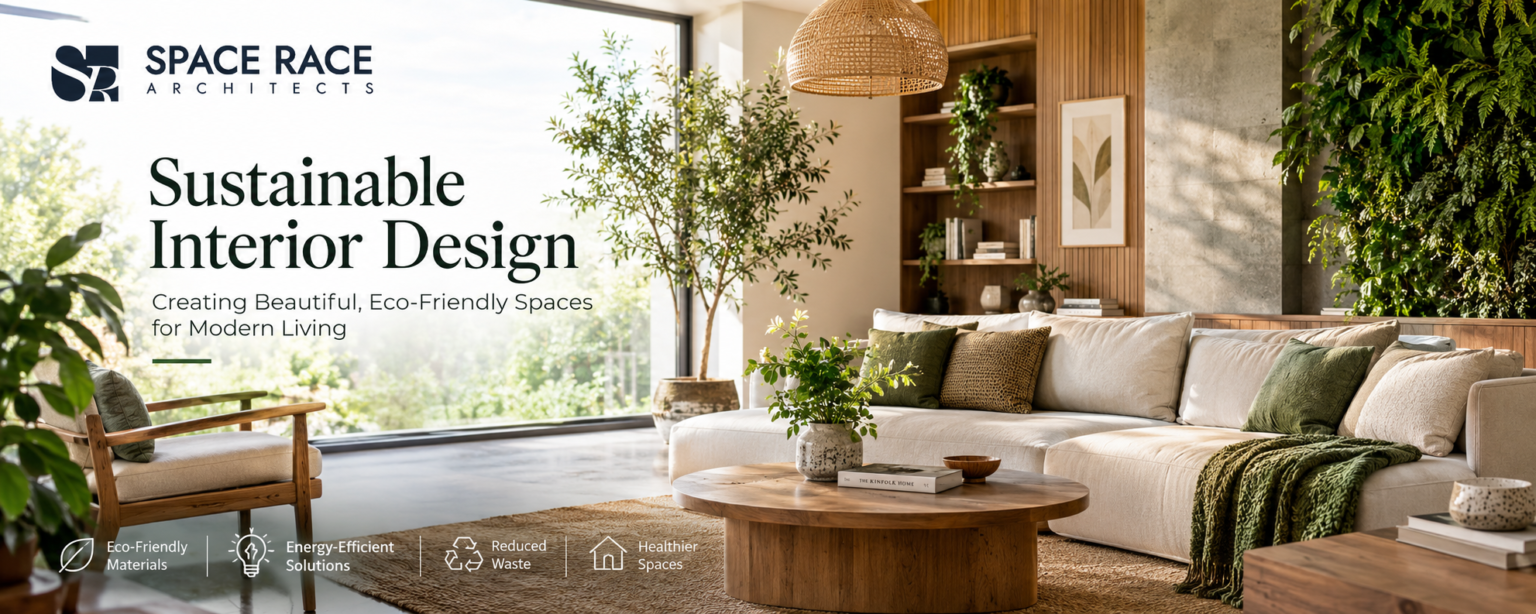
Sustainable interior design is transforming the way people plan, decorate, and experience their homes and commercial spaces. Modern interiors are no longer judged only by their appearance, luxury, or functionality. Homeowners and businesses are increasingly interested in spaces that use resources responsibly, improve indoor comfort, reduce unnecessary waste, and remain attractive for years. By combining thoughtful planning with environmentally conscious materials and energy-efficient solutions, sustainable design offers a balanced approach to contemporary living.
For homeowners, sustainable interiors can create welcoming spaces that reflect personal style while making better use of available resources. For offices, retail environments, and hospitality projects, sustainability can contribute to a more comfortable atmosphere, efficient operations, and a stronger long-term design strategy. The objective is not simply to add plants or choose natural colours. It is to consider how every design decision affects the environment, the people using the space, and the future maintenance of the interior.
Space Race Architects can approach this concept by bringing together architectural planning, interior functionality, material selection, lighting, and contemporary aesthetics. When sustainability becomes part of the design process from the beginning, it becomes easier to create interiors that are practical, visually appealing, and prepared for changing needs.
What Is Sustainable Interior Design?
Sustainable interior design is an approach to creating indoor environments that considers environmental impact, human wellbeing, resource efficiency, and long-term performance. It involves selecting appropriate materials, reducing construction waste, improving natural lighting, managing energy consumption, and designing spaces that do not require frequent replacement or unnecessary renovation.
Traditional interior design often focuses on layout, furniture, colour palettes, decorative elements, and the overall appearance of a room. Sustainable design includes these considerations while looking more closely at where materials come from, how products are manufactured, how much energy a space consumes, and what happens to furniture and finishes when they are no longer needed.
For example, a living room can become more sustainable by retaining existing furniture, refinishing wooden surfaces, using low-emission paints, and introducing energy-efficient lighting. A commercial office can benefit from flexible furniture systems, durable flooring, daylight-conscious planning, and lighting controls that reduce unnecessary electricity consumption.
The important principle is that sustainability should support good design rather than restrict it. A well-planned sustainable interior can feel sophisticated, comfortable, and contemporary without relying on excessive decoration or disposable products.
Why Sustainable Interior Design Matters Today
The demand for more responsible design is growing because buildings and interiors influence how people consume energy, use materials, and experience their everyday surroundings. Interior finishes, furniture, lighting, appliances, and decorative products all have environmental impacts associated with their production, transportation, installation, use, and disposal.
A poorly planned interior may require frequent repairs, consume excessive electricity, or generate considerable waste during renovation. In comparison, a thoughtfully designed space can make better use of existing resources and remain functional for a longer period.
Sustainable interior design also places greater attention on indoor environmental quality. Paints, adhesives, engineered wood products, and certain finishes can release pollutants into indoor air. Choosing suitable low-emission products and maintaining appropriate ventilation can help create a healthier indoor environment. The relationship between energy efficiency and indoor air quality is also important because both need to be considered together when planning a building.
Another advantage is long-term value. Durable materials, adaptable layouts, and efficient lighting systems may reduce maintenance requirements and certain operating costs over time. The actual savings depend on the property, selected products, installation quality, and patterns of use, but careful planning can help prevent avoidable expenses.
The Core Principles of Sustainable Interior Design
Choosing Environmentally Responsible Materials
Material selection is one of the most important elements of sustainable interior design. Every material has a production history, transportation footprint, expected lifespan, and maintenance requirement. Choosing products carefully can reduce waste while maintaining the desired aesthetic.
Reclaimed timber is a useful option for furniture, shelving, wall features, and selected architectural details. It can introduce warmth and character while giving existing materials another purpose. Responsibly sourced timber, bamboo, cork, recycled glass, and recycled metal may also be appropriate, depending on the application and the availability of reliable product information.
Natural materials should not automatically be considered sustainable in every situation. Their environmental impact depends on how they are sourced, processed, transported, installed, and maintained. A locally available, durable material may be a better choice than an imported product marketed as environmentally friendly.
Designers should also consider durability. A surface that needs frequent replacement may generate more waste than a longer-lasting alternative. For this reason, material selection should balance appearance, performance, maintenance, and expected lifespan.
Improving Energy Efficiency
Energy-efficient interiors are designed to reduce unnecessary electricity consumption without compromising comfort. Lighting, appliances, window treatments, ventilation, and room orientation all influence the amount of energy a space requires.
LED lighting is a practical starting point because it generally uses less electricity than traditional incandescent lighting. Combining LEDs with dimmers, occupancy sensors, and suitable lighting controls can further reduce energy use where appropriate.
Natural daylight should also be considered during the planning stage. Window placement, reflective surfaces, furniture arrangements, and interior partitions influence how daylight travels through a room. A carefully planned layout may reduce dependence on artificial lighting during the day.
In warm climates, shading, suitable curtains, solar-control glazing, and attention to heat gain can improve comfort and help manage cooling requirements. Energy-efficient appliances and properly designed mechanical systems can support these efforts.
Reducing Waste Through Better Planning
Waste reduction begins before construction or renovation starts. Unnecessary demolition, excessive material ordering, poorly coordinated installations, and frequent design changes can create avoidable waste.
A sustainable approach begins with assessing the existing property. Flooring, cabinetry, doors, furniture, and other components may be suitable for repair, refinishing, or reuse. Retaining these elements can reduce demand for new products and preserve materials that still have useful life remaining.
Accurate measurements and coordinated drawings can also help prevent installation errors and material wastage. Where possible, designers can specify modular components, repairable furniture, and products that can be dismantled or recycled at the end of their useful life.
Sustainable Interior Design Ideas for Modern Homes
Creating a Sustainable Living Room
The living room is often one of the most frequently used spaces in a home, making it an excellent place to introduce sustainable design principles. A practical layout should support conversation, relaxation, entertainment, and movement without overcrowding the room with unnecessary furniture.
Instead of replacing every item during a renovation, homeowners can consider restoring existing wooden furniture, reupholstering sofas, or updating cabinet finishes. Durable fabrics, washable covers, and repairable furniture frames can extend product life and reduce replacement needs.
Natural textures such as timber, linen, cotton, and woven fibres can create a welcoming atmosphere when sourced responsibly. Indoor plants may introduce greenery and visual interest, although they should be selected according to available daylight, maintenance requirements, and household needs.
A balanced combination of daylight, layered LED lighting, functional storage, and carefully selected furniture can make the living room both attractive and resource-conscious.
Designing an Eco-Friendly Bedroom
A sustainable bedroom should prioritise comfort, air quality, efficient lighting, and materials that can withstand regular use. Bedrooms are personal spaces where people spend significant time, so the selection of paints, textiles, flooring, and furniture deserves careful attention.
Low-emission paints and finishes can help reduce certain indoor pollutants. Where possible, choose bedding made from responsibly sourced natural fibres or verified recycled materials, depending on comfort, durability, and maintenance needs.
Furniture should provide sufficient storage without overwhelming the available space. A well-designed wardrobe, multifunctional bedside table, and practical storage system can reduce clutter and help the room remain organised.
Blackout curtains, lined drapes, or suitable window coverings can help manage daylight and heat gain. Their performance depends on fabric, fit, glazing, and climate, so they should be selected to suit the room rather than treated as a universal solution.
Planning a Sustainable Kitchen
Kitchens contain numerous materials, appliances, and water fixtures, making them important areas for resource-efficient planning. A sustainable kitchen begins with a layout that supports safe movement, convenient preparation, and efficient access to storage.
Retaining existing cabinet structures where they remain sound can avoid unnecessary replacement. Cabinet fronts, handles, work surfaces, and finishes may sometimes be upgraded without removing the entire installation.
When new materials are necessary, consider durable worktops, responsibly sourced timber, recycled-content products, and cabinetry with verified low-emission properties. Water-efficient taps and appropriately rated appliances can support lower resource consumption.
Kitchen lighting should combine effective task illumination with general lighting, allowing work surfaces to remain usable without lighting the entire room more brightly than necessary. Waste sorting, composting where practical, and well-planned storage can further support responsible everyday habits.
Sustainable Interior Design for Offices and Commercial Spaces
Sustainability is equally important in offices, retail stores, restaurants, and other commercial environments. These spaces must accommodate regular use, changing requirements, maintenance schedules, and operational budgets while maintaining a professional appearance.
An effective office layout can make better use of available floor space and encourage flexible working arrangements. Modular desks, movable partitions, adaptable meeting areas, and repairable furniture can help organisations adjust to changing needs without undertaking a complete redesign.
Durable flooring, easy-to-maintain finishes, efficient lighting, and appropriately controlled ventilation can support long-term performance. Daylight should be incorporated wherever practical, while glare and unwanted heat gain must also be managed.
For retail and hospitality interiors, sustainable design can combine distinctive visual identity with reusable display systems, durable finishes, efficient lighting, and careful procurement. Seasonal displays, for example, can be designed around interchangeable components rather than materials that are discarded after a short period.
Space Race Architects can use these considerations as part of an integrated design approach, connecting visual quality with practical performance. The specific strategy should reflect the building, the client’s requirements, the budget, and the expected intensity of use.
The Role of Lighting and Natural Ventilation
Lighting and ventilation are essential components of a comfortable interior. Sustainable design considers not only how a room looks but also how light and air move through it throughout the day.
Natural light can make rooms feel more open and reduce the need for artificial illumination. However, uncontrolled sunlight may create glare and increase indoor temperatures. Window treatments, external shading, suitable glazing, and furniture placement can help achieve a more balanced result.
Artificial lighting should be selected according to the purpose of each area. Kitchens and workspaces require clear task lighting, while bedrooms and lounges may benefit from softer, adjustable illumination. LED fixtures and suitable controls can help manage energy consumption.
Ventilation must also be planned carefully. Opening windows may provide useful fresh air when outdoor conditions are appropriate, but it may not always be suitable in areas affected by pollution, noise, extreme temperatures, or humidity. Mechanical ventilation and filtration may be necessary in some buildings.
The goal is to balance fresh air, indoor comfort, and energy performance rather than focusing on only one factor.
How Colour and Texture Influence Sustainable Interiors
Sustainable interiors do not have to follow a single aesthetic. They can be minimalist, contemporary, traditional, luxurious, or eclectic, provided the design choices support the intended environmental and functional goals.
Earthy colours, muted greens, warm neutrals, and natural-looking finishes can create a calm visual atmosphere. These palettes work well with timber, stone, woven textiles, and other tactile materials, but colour selection alone does not make an interior sustainable.
A more meaningful strategy is to choose finishes that remain visually appealing over time. Timeless colour schemes and adaptable decorative elements can reduce the pressure to renovate simply because a particular trend has become outdated.
Texture can also introduce depth without excessive ornamentation. Reclaimed wood, textured plaster, natural-fibre fabrics, and carefully selected recycled materials can provide character while supporting a considered material palette.
When materials are selected for both their appearance and their performance, sustainable interior design becomes an opportunity to express creativity rather than a limitation.
Budgeting for Sustainable Interior Design
A common misconception is that sustainable interiors always require a large investment. Some specialised products and advanced building systems can increase initial costs, but many improvements can be introduced gradually and within a realistic budget.
Retaining existing furniture, switching to LED lighting, repairing damaged finishes, improving daylight use, and reducing unnecessary purchases are practical starting points. These decisions may provide environmental benefits without requiring a complete renovation.
For larger projects, budgets should consider the full cost of a material or system, including purchase, installation, maintenance, repair, energy use, and eventual replacement. A cheaper product may become more expensive if it wears out quickly or requires extensive upkeep.
It is also important to avoid selecting products solely because they are labelled green or eco-friendly. Ask suppliers for information about material composition, emissions, recycled content, sourcing, expected lifespan, and relevant certifications.
A clear design brief helps prioritise the improvements that matter most. Homeowners may focus on healthy materials and efficient lighting, while commercial clients may place greater emphasis on durability, operational energy, and adaptability.
How Space Race Architects Can Support Sustainable Design Goals
Sustainable interiors benefit from coordination between architectural planning, interior design, material specification, lighting, and construction. Treating these elements separately can lead to missed opportunities, incompatible products, and unnecessary changes during installation.
Space Race Architects can frame a project around the way occupants use the space, the performance of the existing building, the available budget, and the environmental goals that can realistically be achieved. This creates a foundation for design decisions that are both practical and visually consistent.
The process begins with understanding the property and the client’s priorities. Designers can then identify which existing elements should be retained, where improvements are needed, and which materials or systems offer the best balance of performance and appearance.
The next stage involves developing a coordinated layout and selecting appropriate finishes, furniture, lighting, and fixtures. Product specifications should be checked carefully, particularly when claims relate to emissions, recycled content, responsible sourcing, or energy performance.
Construction planning is equally important. Accurate documentation, suitable procurement, and coordination with contractors can help reduce errors and avoid unnecessary material waste. After completion, occupants should understand how to maintain the space, operate its systems efficiently, and care for its materials.
By considering the full life of an interior, Space Race Architects can help make sustainability part of the design process rather than an afterthought.
Common Mistakes to Avoid in Sustainable Interior Design
One common mistake is assuming that natural materials are automatically environmentally responsible. Their impact depends on sourcing, manufacturing, transport, durability, and installation. Researching the complete product specification is more useful than relying on appearance alone.
Another mistake is replacing functional furniture and finishes simply to achieve a new look. Reuse and repair should be considered before purchasing replacements, particularly when existing items remain safe and serviceable.
Poor ventilation planning can also undermine an otherwise energy-efficient interior. Reducing energy use should not mean compromising appropriate fresh-air provision or indoor environmental quality.
Overdesigning is another concern. Excessive decorative panels, unnecessary built-ins, and complicated finishes can increase material consumption and make future maintenance more difficult. A clear design concept and well-planned storage can often deliver a more effective result.
Finally, sustainability claims should be verified. Product labels, certification documents, manufacturer information, and maintenance guidance can help distinguish measurable performance from marketing language.
The Future of Sustainable Interior Design
The future of sustainable interior design is likely to place greater emphasis on circular materials, adaptable spaces, healthier interiors, efficient building systems, and transparent product information. Designers are increasingly considering how materials can be repaired, reused, separated, or recycled rather than treated as disposable components.
Technology can support this direction through energy monitoring, smart lighting controls, efficient appliances, and building management systems. However, technology alone cannot make an interior sustainable. Good planning, durable materials, appropriate ventilation, and responsible purchasing remain fundamental.
Another important direction is designing for changing lifestyles. A room that can adapt from a home office to a guest bedroom, or a commercial area that can accommodate different uses, may remain functional for longer and reduce the need for major renovations.
The strongest sustainable interiors will combine these practical considerations with thoughtful aesthetics. Rather than following short-lived trends, they will focus on comfort, usefulness, quality, and a lasting relationship between people and their surroundings.
Conclusion
Sustainable interior design offers a practical way to create beautiful, comfortable, and resource-conscious spaces. Through responsible material selection, efficient lighting, reduced waste, improved indoor air quality, and durable design decisions, homeowners and businesses can make meaningful improvements to their interiors.
The process does not require every element to be replaced with a specialised eco-friendly product. Often, the most effective starting point is to preserve what already works, improve what needs attention, and make better choices whenever new materials or systems are required.
For Space Race Architects, sustainability can serve as a guiding principle that connects architectural thinking with interior functionality and contemporary aesthetics. When every decision is made with the occupants, the environment, and long-term performance in mind, the result can be an interior that feels refined today and remains useful well into the future.
Frequently Asked Questions About Sustainable Interior Design
What is sustainable interior design?
Sustainable interior design is the practice of creating indoor spaces that reduce environmental impact through responsible materials, energy efficiency, waste reduction, durable products, and attention to indoor air quality.
What materials are commonly used in sustainable interiors?
Common options include reclaimed timber, responsibly sourced wood, bamboo, cork, recycled glass, recycled metal, natural-fibre textiles, and low-emission paints. The best choice depends on sourcing, performance, durability, and maintenance requirements.
Is sustainable interior design expensive?
Not necessarily. Reusing furniture, repairing existing finishes, installing LED lighting, and reducing unnecessary purchases can be affordable starting points. More advanced systems or specialised materials may involve higher initial costs.
How can sustainable interior design improve indoor comfort?
It can support comfort through appropriate lighting, ventilation, thermal management, durable furnishings, and careful selection of low-emission materials. Results depend on the design, products, and building conditions.
How can Space Race Architects incorporate sustainability into a project?
Sustainability can be considered during initial planning, material selection, lighting design, furniture specification, and construction coordination. The most suitable approach depends on the project requirements, building conditions, and budget.