
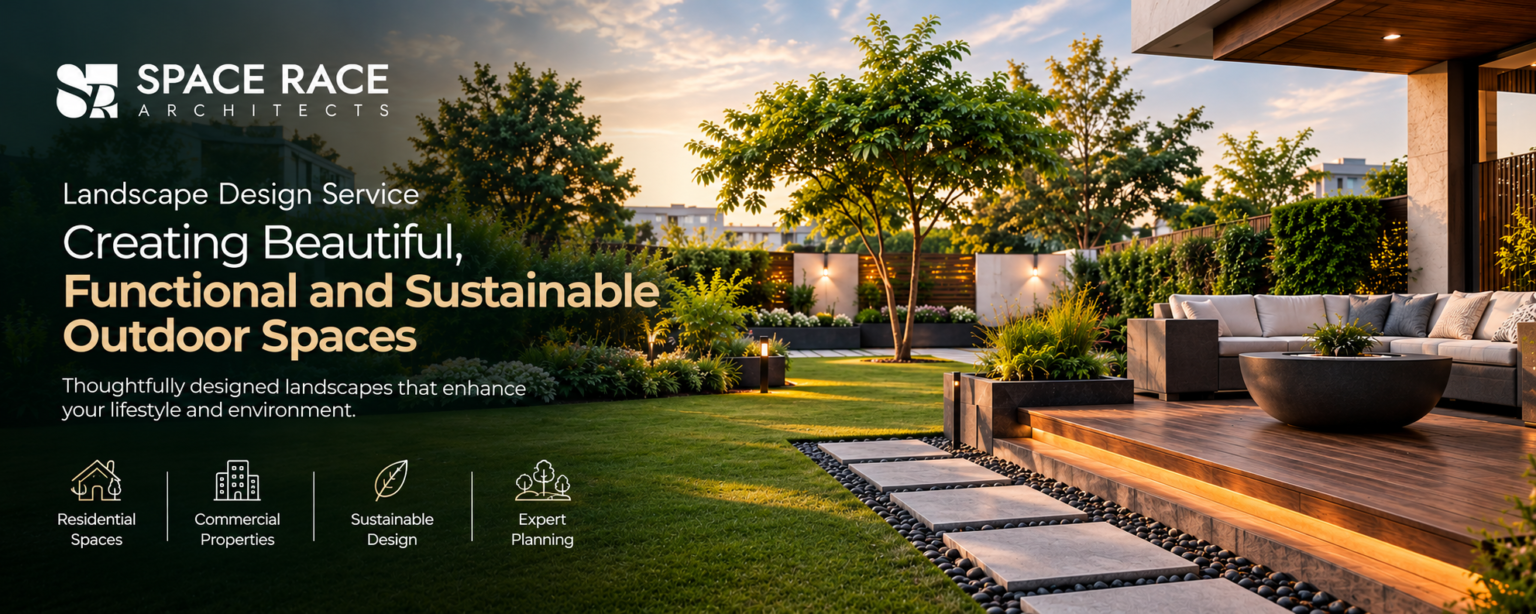
Outdoor spaces play an important role in the appearance, comfort and functionality of a property. A thoughtfully designed garden, welcoming entrance, peaceful courtyard or landscaped terrace can transform an ordinary building into an attractive and inviting environment. However, creating an outdoor space that looks beautiful and remains practical over time requires more than planting trees or arranging decorative features. It involves careful planning, an understanding of the site, suitable material selection and a clear vision of how the space will be used. This is where a professional landscape design service becomes valuable.
Landscape design connects architecture, nature and everyday living. It focuses on creating outdoor environments that complement the building while improving comfort, movement, privacy and sustainability. Whether the project involves a modern home, luxury villa, farmhouse, commercial property or institutional campus, a well-planned landscape can make the entire development feel more complete.
Space Race Architects approaches architecture and design with an emphasis on functionality, thoughtful planning and the relationship between different elements of a property. Landscape design can support this approach by connecting buildings with their surroundings and creating outdoor spaces that are visually appealing as well as useful. When landscape planning begins alongside architectural design, it becomes easier to coordinate entrances, pathways, outdoor seating, planting areas and transitions between indoor and outdoor environments.
Understanding the Importance of Landscape Design
A landscape design service involves planning and designing outdoor spaces to improve their appearance, usability and relationship with the surrounding environment. It considers the arrangement of plants, pathways, lawns, seating areas, paving, outdoor lighting, water features and other elements to create a balanced and coordinated design.
The process begins by understanding the property and its requirements. Designers consider the available space, ground levels, sunlight, soil conditions, drainage patterns, existing vegetation and access points. These factors influence the layout and help determine which materials, plants and landscape features are suitable for the project.
Landscape design is important because outdoor spaces serve several purposes. A residential garden may provide a peaceful place for relaxation, while a commercial landscape may create a welcoming first impression for visitors. A courtyard can improve natural light and ventilation around adjacent spaces, while shaded seating areas can make outdoor environments more comfortable.
A professionally planned landscape also helps prevent common problems, such as poorly positioned trees, obstructed pathways, inadequate drainage and excessive maintenance requirements. By considering these details early, property owners can create outdoor spaces that remain functional and attractive for years.
How Landscape Design Complements Architecture
Architecture and landscape design work best when they are planned together. A building establishes the structure and organisation of a property, while the surrounding landscape influences how people approach, experience and interact with it.
For example, a contemporary residence may feature clean architectural lines, large windows and open living spaces. A landscape with simple pathways, carefully positioned trees, structured planting beds and a restrained material palette can complement these characteristics. In contrast, a traditional home may benefit from softer garden layouts, natural stone pathways and planting that creates a more relaxed atmosphere.
The relationship between indoor and outdoor spaces is equally important. A living room opening onto a garden can feel more spacious when the transition is carefully designed. A courtyard visible from the entrance can provide an attractive focal point, while a terrace connected to the dining area can support outdoor gatherings.
Space Race Architects can be considered for projects where architectural planning and landscape requirements need to work together. Coordinating these elements helps maintain consistency in proportions, materials, circulation and visual character.
Planning a Landscape According to the Site
Every property has different physical conditions, opportunities and limitations. Therefore, an effective landscape design service begins with site analysis rather than applying the same design to every project.
The designer studies the shape and size of the site, existing buildings, surrounding properties, sunlight exposure, wind direction and available access. Sloping land may require terracing or retaining structures, while a compact urban property may benefit from vertical planting and carefully planned seating areas.
Drainage is another important consideration. Rainwater should move away from buildings and occupied areas without causing erosion, waterlogging or damage to planting. The location of paved surfaces, lawns and planting beds can influence how water moves across the site. Planning these features together helps create a more resilient landscape.
Existing trees and natural features should also be evaluated before the design is finalised. Mature trees may provide shade, privacy and character, making them valuable elements to preserve where practical. Understanding the site’s existing conditions helps designers make informed decisions and use the available space more effectively.
Residential Landscape Design for Comfortable Living
Residential landscaping can improve the way homeowners use and experience their properties. A garden should not simply fill the space around a house; it should support daily activities, create a pleasant atmosphere and complement the architectural design.
A well-planned residential landscape may include an entrance garden, a private lawn, outdoor seating, shaded pathways, flowering plants and spaces for family activities. Each area should have a clear purpose and should connect naturally with the rest of the property.
For modern homes, simple layouts and carefully selected materials can create a clean and organised appearance. Natural stone, textured paving, ornamental grasses, shrubs and strategically placed trees can add character without making the garden feel overcrowded. For larger properties, different zones can be developed to provide privacy, recreation and relaxation.
Privacy is particularly important in residential landscape planning. Trees, hedges, screens and layered planting can help separate seating areas from neighbouring properties. These features should be positioned carefully so they do not obstruct essential views, block access or create unnecessary maintenance difficulties.
A residential landscape design service also considers the needs of the people living in the home. Families may require open areas for children, while homeowners who enjoy entertaining may prefer a terrace or outdoor dining space. Understanding these requirements allows the landscape to become a natural extension of the home.
Landscape Design for Commercial Properties
Commercial landscapes influence how visitors, customers and employees perceive a business. The entrance, pathways, planting and outdoor spaces contribute to the property’s overall identity and usability.
A professional landscape design service for commercial properties may include entrance landscaping, pedestrian pathways, green buffers, outdoor waiting areas and planting around parking zones. These elements can make the site feel organised and welcoming while supporting safe movement.
Office buildings may benefit from shaded outdoor seating and green spaces that provide employees with places to take breaks. Hotels and hospitality properties may require landscaped courtyards, outdoor dining areas and carefully designed arrival experiences. Retail developments can use planting and paving to guide visitors towards entrances and create a more comfortable environment.
Commercial landscaping should also consider durability and maintenance. Frequently used pathways require suitable surfaces, while planting near entrances should maintain clear visibility and avoid obstructing circulation. Selecting appropriate materials and plants helps the landscape remain presentable without creating unnecessary operational demands.
Choosing the Right Plants and Materials
Plant selection is one of the most important decisions in landscape design. The right plants should suit the local climate, available sunlight, soil conditions, water availability and intended appearance of the garden.
Native and regionally adapted plants can be useful because they are better suited to local environmental conditions. Depending on the site, designers may combine trees, shrubs, ground covers, flowering plants and ornamental grasses to create variety in height, texture and colour.
In areas with hot summers, including many parts of northern India, shade trees and heat-tolerant planting can improve outdoor comfort. Plants that require excessive watering or are poorly suited to the local climate may increase maintenance requirements. A suitable planting strategy should balance visual appeal with practical considerations.
Hardscape materials are equally important. Paving, stone, gravel, concrete, timber and other surfaces establish the structure of an outdoor environment. Their colour, texture and proportions should complement the building rather than compete with it.
For example, natural stone can create a timeless appearance, while concrete pavers may suit contemporary designs. The selection should also account for durability, slip resistance, weather exposure and ease of maintenance. Coordinating planting and hardscape materials helps create a cohesive landscape.
Creating Functional Pathways and Outdoor Zones
Pathways and circulation areas determine how people move through a landscape. Without a clear layout, even an attractive garden can become difficult to use.
A well-planned landscape establishes convenient routes between entrances, parking areas, outdoor seating and other important destinations. The width, surface and direction of each pathway should suit its purpose. Main pedestrian routes should be easy to recognise, while secondary paths can lead towards quieter garden areas.
Outdoor zoning helps organise a property into areas for different activities. A residential garden might include an entrance zone, a central lawn, a private seating corner and a planting area. Commercial landscapes may separate pedestrian movement from service access and vehicle circulation.
The arrangement should feel natural rather than unnecessarily complicated. Pathways should connect important destinations directly where practical, and seating areas should be positioned where people can use them comfortably.
Accessibility is also an essential consideration. Appropriate pathway widths, manageable gradients and suitable surfaces can help people of different ages and mobility levels navigate the landscape. These decisions make outdoor spaces more inclusive and useful.
Sustainable Landscape Design for Long-Term Value
Sustainability is an important part of contemporary landscape planning. A sustainable landscape uses resources thoughtfully, responds to local environmental conditions and reduces avoidable maintenance requirements.
Water-efficient planting is one useful strategy. Selecting plants suited to the local climate can reduce irrigation needs, while drip irrigation can deliver water directly to plant roots. Rainwater harvesting and appropriate drainage planning may also help manage water resources, depending on site conditions and local requirements.
Trees and vegetation can provide shade, improve the visual environment and support local biodiversity. When placed strategically, trees can shade outdoor seating and selected paved areas. However, their mature size, root systems and distance from buildings should be considered during planning.
Permeable surfaces may allow water to infiltrate the ground where soil and site conditions permit. Green areas can also help soften extensive paved environments. The choice of sustainable features should reflect the actual site rather than follow trends without considering performance.
Space Race Architects’ broader emphasis on functional and sustainable design makes environmental considerations relevant when planning outdoor spaces. A landscape designed around local conditions can support long-term usability while helping reduce unnecessary resource consumption.
Landscape Lighting and Outdoor Ambience
Outdoor lighting improves visibility and can make a landscape more inviting after sunset. It also highlights important architectural and landscape features when planned carefully.
Pathway lighting can help people move safely through gardens and entrances. Soft lighting around seating areas can support outdoor relaxation, while selected uplights may emphasise trees, textured walls or architectural details.
The goal should be to create a comfortable balance rather than illuminate every corner. Excessive brightness can reduce visual comfort, disturb neighbouring properties and affect nocturnal wildlife. Shielded fixtures and appropriately directed light can help minimise these problems.
Lighting should be coordinated with electrical requirements, outdoor furniture, planting and circulation routes. Durable fixtures designed for outdoor conditions are important for reliability. When considered during the initial design stage, landscape lighting can be integrated more neatly into the overall composition.
Common Landscape Design Mistakes to Avoid
One common mistake is selecting plants before understanding the site. A plant that looks attractive in a photograph may not perform well under local sunlight, soil or water conditions. Site-specific selection helps avoid unnecessary replacement and maintenance.
Another problem is overcrowding the landscape with decorative elements. Too many planters, sculptures, water features and different paving materials can make an outdoor environment feel disorganised. A clear design concept and a restrained selection of features often produce a more balanced result.
Ignoring drainage can also lead to long-term difficulties. Poorly planned ground levels and water movement may cause waterlogging, soil erosion or dampness near buildings. Drainage should therefore be considered alongside paving, lawns and planting.
Maintenance is another frequently overlooked factor. A garden requiring constant pruning, specialised care or substantial irrigation may become difficult to manage over time. Choosing appropriate plants and durable materials can help keep maintenance within practical limits.
Finally, landscape design should not be postponed until every building-related decision has been completed. Early coordination helps prevent conflicts involving pathways, service lines, outdoor lighting, boundary walls and planting areas.
The Landscape Design Process from Concept to Implementation
A successful landscape design service follows a structured process that connects the client’s requirements with the practical conditions of the site.
The first stage involves understanding the project. The designer discusses the client’s preferences, budget, intended activities, maintenance expectations and desired visual character. This establishes the main objectives for the landscape.
The next stage involves site assessment and planning. Measurements, ground conditions, access, existing vegetation and environmental factors are reviewed to understand the opportunities and constraints. The designer then develops a layout showing how the major landscape elements can be organised.
Concept development establishes the overall appearance and experience of the space. Planting arrangements, pathways, seating areas, paving materials and other features are considered as part of a unified design. Depending on the project, drawings, reference images or visualisations may help communicate the proposal.
Detailed planning translates the concept into practical decisions. Plant species, material specifications, levels, drainage requirements, lighting positions and other details may be coordinated according to the project’s scope.
Implementation follows the approved design and requires suitable workmanship, appropriate materials and attention to site conditions. Planting may need seasonal consideration, while irrigation and lighting systems require proper installation. After completion, regular maintenance helps establish healthy vegetation and preserve the intended appearance.
Clear communication throughout these stages helps ensure that the finished landscape reflects the original objectives as closely as possible.
How to Choose the Right Landscape Design Service
Choosing a suitable landscape design service begins with understanding the requirements of the project. A small residential garden may need a different level of planning from a large villa, commercial development or institutional campus.
Review the designer’s previous work to understand their approach to layout, planting, material selection and outdoor functionality. Look for examples that demonstrate an ability to balance visual appeal with practical requirements.
It is also useful to discuss the scope of services before starting. Clarify whether the project includes concept development, detailed drawings, planting plans, material specifications, lighting coordination, drainage planning and implementation support. The scope can vary between providers, so expectations should be established in advance.
Budget planning is equally important. The total cost may depend on the site area, design complexity, materials, plant selection, irrigation, lighting and construction requirements. A clear budget helps prioritise essential features and reduces the likelihood of unexpected changes.
Communication should remain consistent throughout the project. A good design process takes the client’s needs seriously while explaining practical limitations and proposing suitable alternatives. Working with an architecture and design practice such as Space Race Architects may be worth considering when landscape planning needs to complement a wider residential or commercial design project.
Why Thoughtful Landscape Planning Creates Lasting Value
A well-designed landscape can contribute to a property’s visual character, everyday usability and long-term appeal. It can make entrances more welcoming, outdoor areas more comfortable and transitions between built and natural environments more harmonious.
The value of landscape design is not limited to appearance. A practical layout can improve circulation, create useful outdoor zones and help organise the site. Appropriate planting can provide shade and privacy, while durable materials and climate-suitable vegetation can reduce maintenance challenges.
Long-term value depends on making informed decisions from the beginning. The design should respond to the property’s actual conditions, the client’s priorities and the resources available for maintenance. A landscape that looks impressive initially but is difficult to manage may not provide the same benefits over time as one planned around realistic needs.
By integrating architectural thinking, environmental awareness and practical planning, Space Race Architects can be considered as a design partner for projects where the built environment and outdoor spaces need to work together. The objective is to create an overall property experience in which every element has a clear purpose.
Conclusion
A professional landscape design service can transform outdoor areas into functional, attractive and sustainable environments. From residential gardens and villa courtyards to commercial entrances and shared outdoor spaces, effective landscape planning considers how people move, relax, interact and experience their surroundings.
The most successful landscapes combine appropriate plants, durable materials, comfortable circulation, effective drainage and thoughtful lighting within a cohesive design. They also respond to local climate conditions and realistic maintenance requirements, helping the outdoor environment remain useful and visually balanced over time.
For property owners planning a new building, renovation or outdoor improvement, landscape design deserves attention from the earliest stages of the project. When it is coordinated with architecture, the result can feel more complete and connected.
Space Race Architects focuses on architectural and design solutions that bring functionality, thoughtful planning and visual quality together. By considering landscape design as an essential part of the overall property, homeowners and businesses can work towards outdoor spaces that complement their buildings and support everyday life.